By Larry Brazil
November 11, 2026
Understanding the significance of proper door installation is crucial for ensuring robust home security. In a world where residential safety concerns remain top of mind, the precision with which doors are mounted dramatically influences the strength of a home's first line of defense. A well-installed door protects against forced entry, provides exceptional weather resistance, improves energy efficiency, and delivers long-term structural durability. Focusing on quality door installation is not merely about aesthetic appeal or convenience; it is a foundational step toward improving the overall resilience and safety of any property.
Selecting the appropriate materials and trusting certified professionals to handle the placement ensures that every component, from the reinforced frame to the hinges, functions as a cohesive unit. When entryways are improperly fitted, even the most expensive deadbolts can fail under pressure. Prioritizing correct door installation techniques provides essential peace of mind while protecting family members and valuable assets from potential threats.
Selecting High-Quality Entryway Materials
Choosing quality materials forms the foundation of effective home security. High-grade options like solid wood, reinforced steel, and fiberglass are renowned for their ability to withstand considerable force and severe environmental stress. These materials provide a robust barrier against potential intruders while resisting the wear and tear of daily use without compromising structural integrity. Doors constructed from premium materials require fewer repairs or replacements, offering homeowners exceptional longevity and dependable protection.
A properly selected door material significantly contributes to its resistance against forced entry attempts. Reinforced steel and solid wood entryways offer superior physical protection compared to lightweight or hollow-core alternatives. Intruders often target points of access they perceive as structural weak points, making a sturdy construction a powerful visual and physical deterrent. By investing in heavy-duty entryway systems, property owners drastically reduce the risk of unauthorized entry while boosting overall property value.
In addition to safety benefits, superior materials offer vital protection against harsh weather conditions and help maintain stable interior temperatures. Quality door installation ensures tight seals that block out rain, drafts, and humidity, which prevents structural warping over time. According to Houzz & Home, a 2025 survey found that 28% of renovating homeowners upgraded exterior doors during their home renovation projects, making door replacement one of the most common exterior improvements. Balancing initial costs with long-term security performance makes high-grade material selection a prudent financial decision.
Applying Precise Fitting Techniques
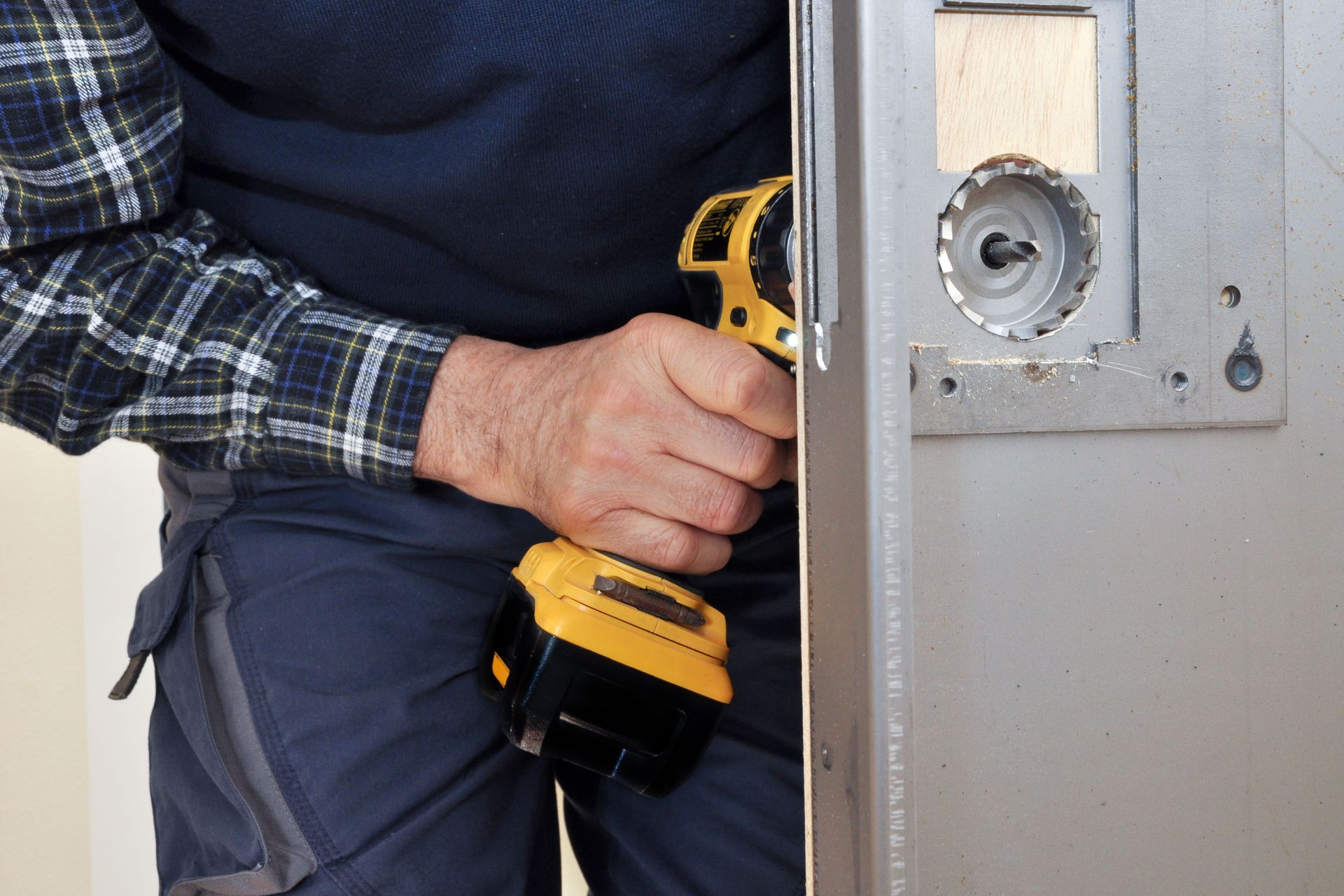
Executing precise fitting techniques during door installation dictates the overall strength and reliability of the entry point. Choosing between professional placement and a do-it-yourself approach significantly impacts the entryway's long-term defense capabilities. Professional door installation ensures components are fitted strictly according to modern building standards, eliminating subtle errors that might compromise security. Experienced installers possess specialized tools and expertise to align frames, set shims, and secure structural hardware correctly, preventing future operational issues.
Exact alignment and structural fit remain critical factors in maintaining security and operational efficiency. Misaligned entryways create noticeable gaps that allow drafts to penetrate while giving intruders easy access points for prying tools. Proper door installation ensures the door sits completely flush inside its frame, creating a tight seal that optimizes both security and thermal performance. A correct fit also minimizes unwanted friction, preventing premature wear on hinges, latches, and locking mechanisms.
Securing frames and heavy-duty hinges to the underlying wall studs provides necessary structural integrity. Hinges should be anchored using long, heavy-duty screws that penetrate deep into the framing lumber rather than just the decorative jamb. Reinforcing lock strike plates with metal backing plates and extra fasteners greatly increases resistance against kick-ins. Complying with local building codes during installation further ensures that safety and performance standards are met without compromise.
Integrating Advanced Hardware Controls
Integrating advanced hardware controls serves as a fundamental step in optimizing entryway protection. The specific locking mechanisms chosen directly dictate how well an entry system withstands deliberate tampering. High-security deadbolts, mortise locks, and multi-point locking systems offer vastly superior protection compared to basic key-in-knob latches. Multi-point hardware secures the door at the top, middle, and bottom simultaneously, distributing external pressure evenly across the entire frame during forced entry attempts.
Incorporating smart locks alongside traditional deadbolts brings enhanced convenience and continuous access tracking. Modern electronic locking systems allow property owners to monitor entry points remotely, grant temporal access codes, and receive instant alerts regarding unusual activity. Pairing smart access technology with heavy-duty physical locking hardware creates a multi-layered defense strategy suitable for contemporary living, ensuring convenience never comes at the expense of baseline safety.
Reinforcing strike plates and installing wide-angle door viewers or smart video doorbells completes the hardware setup. Standard strike plates attached with short screws fail easily under minimal impact, whereas heavy-duty strike plates secured with three-inch screws anchor directly into structural framing. Adding optical or digital door viewers enables occupants to identify visitors safely before disengaging locks, significantly reducing exposure to unexpected threats at the doorstep.
Balancing Architectural Design Elements
Balancing architectural design elements allows homeowners to achieve visually appealing entryways without sacrificing physical defense capabilities. Choosing between solid core and hollow core structures fundamentally dictates an entryway's durability. Solid core doors, crafted from dense wood composite or solid timber, resist blunt force effectively, making them ideal for exterior applications. Hollow core options lack structural density and should be reserved strictly for interior spaces where safety is not a primary concern.
Incorporating glass panels, sidelights, or transom windows adds elegant natural lighting but requires careful security planning. Standard glass inserts represent obvious vulnerabilities if left not reinforced near locking mechanisms. Utilizing impact-resistant tempered glass, laminated safety glass, or specialized window security films prevents easy shattering. Strategic door installation ensures decorative glass elements are positioned far enough from internal lock handles to prevent intruders from reaching inside after breaking a pane.
Customizing entryways to match unique home aesthetics while maintaining strict safety standards requires thoughtful material choices and expert advice. Craftsman, contemporary, and traditional architectural designs can all seamlessly integrate heavy-duty core materials, reinforced frames, and hidden security features. Careful planning ensures that aesthetic ambitions enhance curb appeal while preserving the underlying protective qualities of the building's exterior envelope.
Executing Routine System Maintenance
Executing routine system maintenance preserves the structural integrity and operational smoothness of secure entryways over time. Regular inspections allow for early detection of minor wear and tear before it compromises home safety. Inspecting hinges for rust, checking frames for alignment shifts, and testing lock cylinders ensure all components continue to function reliably. Promptly addressing minor defects prevents small structural issues from escalating into major security vulnerabilities.
Routine lubrication of hinges, latch bolts, and lock mechanisms prevents friction damage and keeps hardware operating smoothly. Applying silicone-based lubricants to moving parts reduces stress on the door structure, preserving precise alignment. Additionally, inspecting and replacing degraded weather stripping ensures a tight environmental seal, protecting structural wood components from moisture damage while keeping heating and cooling costs under control.
Conducting annual safety checks and updating older hardware ensures entryways stay aligned with evolving security standards. Upgrading aging mechanical locks, refreshing worn strike plates, or integrating updated smart monitoring tools are proactive measures that keep home protection robust. Consistent maintenance routines ensure that proper door installation investments continue providing safety, energy efficiency, and peace of mind for years to come.
In summary, meticulous door installation serves as an indispensable pillar of home security, combining quality materials, precise fitting techniques, advanced hardware, thoughtful design, and ongoing maintenance. Each component works in harmony to construct a resilient barrier that safeguards occupants and assets alike. Investing in high-standard entryways promotes a safe, energy-efficient, and peaceful living environment for the long term. For more information about the services that we offer, reach out to our incredible team at Gridiron Guys LLC today!